
In 2025, more people than ever are rethinking their approach to health. Rising stress levels, lifestyle-related diseases, and the limitations of conventional medicine are pushing individuals to seek more balanced, sustainable solutions. This shift has brought holistic wellness into the spotlight.
At its core, holistic wellness is the integration of body, mind, and spirit, recognizing that true health extends far beyond physical fitness or the absence of disease. It embraces emotional resilience, mental clarity, spiritual balance, and physical vitality—treating the whole person rather than isolated symptoms.
What makes this movement especially powerful today is the bridging of Eastern traditions with Western science. Practices like Ayurveda, yoga, and acupuncture are increasingly validated by modern research, while Western medicine’s precision diagnostics and lifestyle medicine add credibility and structure to age-old wisdom. Together, they create a roadmap for complete well-being that is both time-tested and evidence based.
In this blog, we’ll explore:
- The growing demand for holistic wellness and what drives it.
- Core practices from both Eastern and Western traditions.
- Practical ways to integrate these approaches into daily life.
- Global trends shaping the future of integrative health.
By the end, you’ll have a clear understanding of how holistic wellness can help you achieve not just better health, but a more balanced and fulfilling life.
Table of Contents
The Growing Demand for Holistic Wellness
Across the globe, the demand for holistic wellness is rising rapidly. Modern lifestyles, while convenient, have given way to an increase in stress, chronic illness, and lifestyle-related diseases such as diabetes, hypertension, and obesity. Traditional healthcare systems, designed primarily to treat symptoms, often fall short in addressing the root causes of these problems. As a result, people are looking for solutions that go beyond quick fixes and prescriptions.
One of the key reasons individuals turn to alternatives to conventional care is the desire for more personalized, sustainable approaches. Many find that standard treatments do not fully resolve issues like burnout, poor sleep, or persistent fatigue. Holistic wellness offers a pathway that looks at the entire person—body, mind, and spirit—while also encouraging practices that prevent illness rather than waiting for it to develop.
This has fueled a major shift from a “sick care” model to preventive and integrative care. Instead of focusing solely on curing disease after it appears, preventive wellness emphasizes lifestyle adjustments such as mindful nutrition, movement practices, stress management, and emotional well-being. Integrative care blends these preventive strategies with the precision of modern medicine, offering a more complete and proactive approach to health.
In 2025 and beyond, this shift reflects not just a trend, but a cultural transformation: people no longer want to manage illness; they want to optimize their well-being, extend their vitality, and live healthier, more balanced lives.
Understanding Eastern Practices in Wellness
Eastern traditions have shaped holistic health for centuries, offering time-tested methods that focus on harmony, prevention, and natural healing. In today’s world, these practices are gaining renewed attention as people look for ways to balance modern stress with ancient wisdom.
Ayurveda & Traditional Chinese Medicine (TCM)
Both Ayurveda (from India) and Traditional Chinese Medicine (TCM) emphasize the idea that true health comes from balance.
- Ayurveda views each person as a unique combination of three doshas—Vata, Pitta, and Kapha—and aims to restore equilibrium through personalized diet, daily routines, and herbal therapies.
- TCM is based on the concept of yin and yang and the flow of vital energy, or Qi, through the body. When Qi is blocked or imbalanced, illness can arise.
Natural therapies such as herbal remedies, teas, oils, acupuncture, and acupressure are used to restore balance, support immunity, and address both physical and emotional concerns. These approaches focus on prevention and root-cause healing rather than masking symptoms.
Mind-Body Disciplines
Eastern wellness also places strong emphasis on the connection between the body and the mind. Practices such as Yoga, Tai Chi, and Qigong are more than just physical exercise—they combine movement, breathwork, and mindfulness.
- Yoga enhances flexibility, strength, and mental clarity.
- Tai Chi improves balance, coordination, and inner calm through slow, flowing movements.
- Qigong cultivates energy, supports healing, and regulates the nervous system.
These disciplines are especially valuable in modern times, where stress and sedentary lifestyles are common. Regular practice promotes stress relief, improved flexibility, better posture, and overall energy regulation, helping individuals feel more grounded and resilient.
By understanding these Eastern practices, readers can see how they offer a foundation for long-term wellness—practices that complement, rather than compete with, Western medicine.
Western Approaches to Health & Wellness
While Eastern practices emphasize balance and energy flow, Western wellness approaches are grounded in science, research, and measurable outcomes. Together, they play an essential role in shaping a complete picture of modern health care.
Evidence-Based Medicine
At the core of Western health care is evidence-based medicine—the use of clinical research, diagnostics, and proven treatments to guide patient care.
- Diagnostics & Screenings: Regular health checkups, blood tests, imaging, and screenings for conditions like heart disease or cancer help detect issues early.
- Prescriptions & Therapies: Medications and targeted therapies are prescribed based on rigorous scientific evidence to manage symptoms, treat infections, or control chronic illnesses.
- Acute & Chronic Care: Evidence-based medicine excels in managing emergencies (like injuries or infections) as well as long-term conditions such as diabetes, asthma, and hypertension.
This approach ensures accuracy, safety, and reliability, offering patients immediate solutions for critical health concerns.
Modern Lifestyle Medicine
In recent years, Western health systems have embraced lifestyle medicine—a branch of care that focuses on prevention and sustainable habits rather than just treatment.
- Nutrition Science: Research-backed diets emphasize whole foods, balanced macros, and nutrient timing to prevent obesity and chronic disease.
- Exercise Physiology: Personalized exercise programs improve cardiovascular health, mobility, and strength, while lowering risks of lifestyle diseases.
- Sleep Studies: Growing awareness of circadian health and sleep quality highlights its role in mental focus, immunity, and longevity.
Unlike traditional models that primarily treat illness, lifestyle medicine provides measurable health markers such as improved blood pressure, lower cholesterol, better metabolic health, and reduced inflammation.
By combining evidence-based medicine with lifestyle interventions, Western wellness offers a comprehensive system that not only manages disease but also equips individuals to live healthier, longer lives.
The Power of Integration: Best of Both Worlds
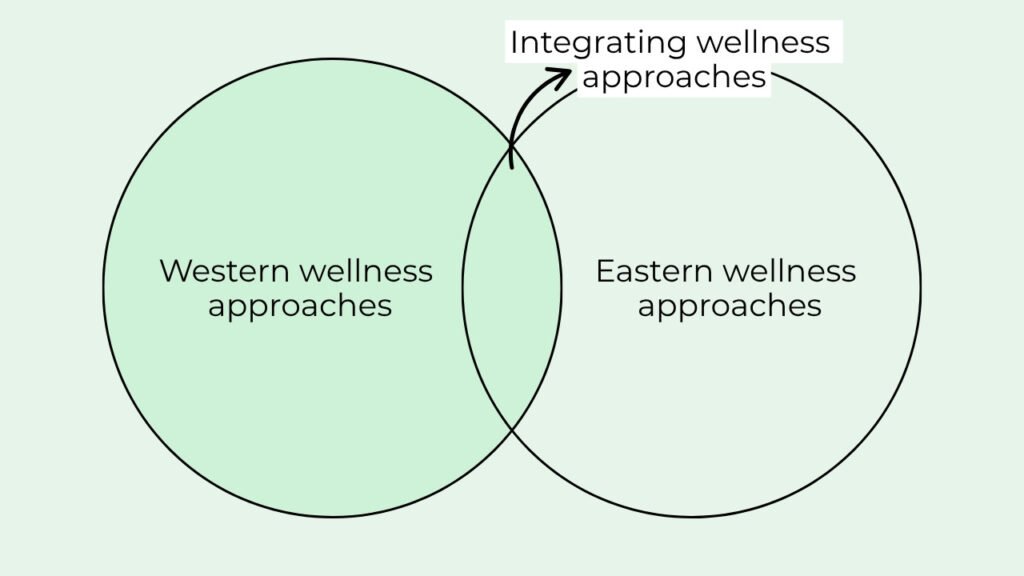
The real strength of holistic wellness lies not in choosing between East and West, but in integrating the two approaches. By combining ancient traditions with modern science, individuals gain access to a complete toolkit for health—one that addresses immediate concerns while promoting long-term balance.
Where East Meets West
Eastern wellness offers time-tested wisdom, while Western medicine provides scientific validation and precision. Together, they form a powerful partnership.
- Acupuncture for Pain: Once considered alternative, acupuncture is now widely used alongside physical therapy and pain management programs, with strong clinical evidence supporting its effectiveness.
- Meditation for Mental Health: Mindfulness and meditation, rooted in Eastern traditions, are increasingly recommended by Western psychologists and psychiatrists to reduce stress, anxiety, and depression.
- Herbal Remedies with Clinical Care: Herbal teas, adaptogens, and Ayurvedic herbs like turmeric are being studied and integrated into treatment plans, complementing conventional prescriptions.
This cross-pollination shows how ancient practices can enhance modern treatments, making care more comprehensive and patient-centered.
Benefits of a Blended Approach
A truly integrative model offers benefits that neither tradition could provide alone:
- Treating Root Causes, Not Just Symptoms: Eastern therapies focus on balance and prevention, while Western methods provide acute interventions—together, they address both the surface and underlying issues.
- Personalization & Lifestyle Fit: Patients can choose practices that align with their culture, values, and routines—whether that’s yoga, meditation, nutrition counseling, or clinical care.
- Improved Patient Engagement: When people feel their physical, mental, and spiritual needs are recognized, they are more likely to stay committed to their wellness journey.
- Long-Term Adherence: A blended system encourages sustainable lifestyle changes, reducing relapse and dependency on one single treatment method.
By embracing integration instead of separation, individuals can enjoy the best of both worlds—scientific accuracy paired with holistic balance—leading to healthier, more resilient lives.
Practical Ways to Integrate Holistic Wellness into Daily Life
One of the greatest strengths of holistic wellness is its practicality. You don’t need to overhaul your entire lifestyle to see results—small, intentional steps can create meaningful change over time. By blending Eastern traditions with Western tools, you can build a routine that supports both immediate well-being and long-term health.
Start with Mind-Body Practices
Simple practices like meditation, yoga, and breathwork are accessible entry points into holistic wellness. Even just 10–15 minutes a day can:
- Reduce stress and calm the nervous system.
- Improve focus, mindfulness, and emotional resilience.
- Enhance flexibility, mobility, and body awareness.
These practices bring balance to daily life and are proven to complement clinical treatments for mental and physical health.
Incorporate Functional Foods & Herbs
Nutrition is a core pillar of wellness, and incorporating functional foods and herbs can provide natural support:
- Turmeric: Reduces inflammation and supports joint health.
- Ginseng: Boosts energy, focus, and immunity.
- Adaptogens (like ashwagandha or rhodiola): Help regulate stress and improve resilience.
These natural options can easily be added to meals, teas, or supplements—always alongside professional medical guidance.
Use Technology & Diagnostics
Western wellness contributes precision and measurable data. Leveraging wearables and routine check-ups helps track and optimize your progress:
- Fitness trackers monitor heart rate, steps, and sleep quality.
- Home diagnostics and regular screenings detect issues early.
- Apps guided by AI provide personalized recommendations for exercise, nutrition, and recovery.
By combining technology with ancient practices, you get both real-time feedback and holistic insight.
Build a Balanced Routine
True holistic wellness comes from alignment across all areas of health:
- Nutrition: Prioritize whole, nutrient-rich foods.
- Sleep: Maintain consistent sleep patterns that support circadian health.
- Movement: Blend strength training, cardio, and mindful practices like yoga.
- Mindfulness: Schedule daily moments for rest, gratitude, or meditation.
This synergy of body, mind, and spirit ensures that wellness becomes a sustainable lifestyle, not just a short-term experiment.
Common Misconceptions and Challenges
While holistic wellness offers a powerful approach to achieving full-body health, it’s often misunderstood. Clarifying common misconceptions can help you engage safely and effectively with integrative practices.
Myth: Holistic Wellness Means Rejecting Modern Medicine
A frequent misconception is that embracing holistic wellness requires abandoning Western medicine. In reality, holistic wellness complements modern healthcare rather than replacing it. Integrative approaches combine evidence-based treatments with mind-body practices, nutrition, and lifestyle adjustments to optimize health outcomes. Holistic wellness is about synergy, not substitution.
Misuse of Supplements Without Guidance
Functional foods, herbs, and adaptogens offer numerous benefits, but self-prescribing supplements without professional guidance can pose risks. Dosages, interactions with medications, and individual health conditions must be considered. Consulting a certified practitioner ensures safe, personalized recommendations.
Over-Commercialization of Wellness Trends
The wellness industry is booming, and with it comes over-commercialization. Products marketed as “miracle solutions” or quick fixes often exaggerate benefits without scientific backing. Staying informed, skeptical of marketing hype, and prioritizing reputable sources will help you make smarter choices.
The Importance of Consulting Certified Practitioners
To navigate holistic wellness safely, working with certified professionals is crucial. Whether it’s a licensed nutritionist, certified yoga instructor, or a practitioner trained in Ayurveda or TCM, guidance ensures that practices are tailored to your needs, prevent adverse effects, and complement your existing healthcare plan.
By understanding these misconceptions and challenges, you can approach holistic wellness with clarity, safety, and confidence, creating lasting, meaningful results.
Global Trends Driving Holistic Wellness
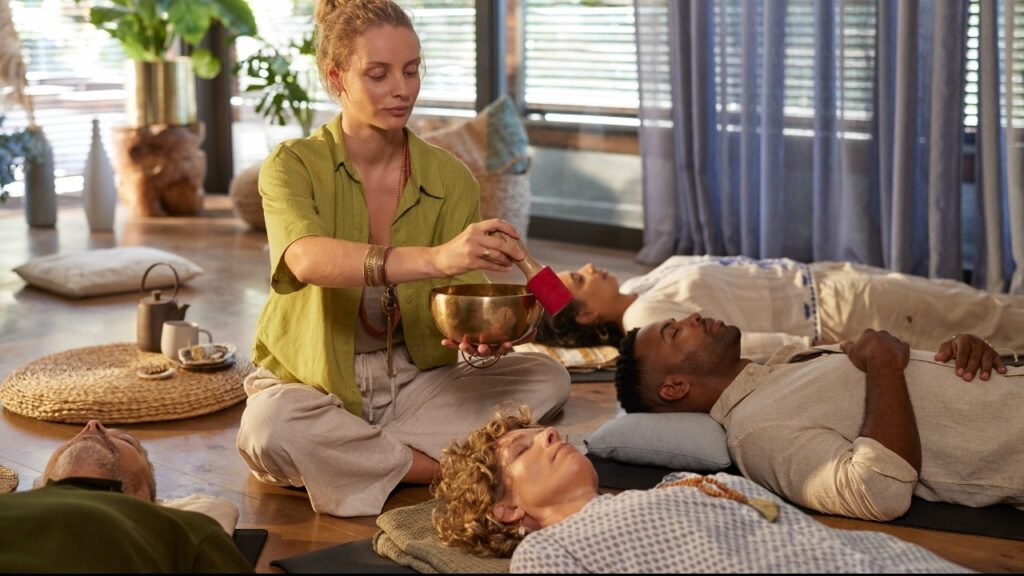
Holistic wellness is no longer confined to niche communities—it’s becoming a global movement, fueled by rising awareness of health, longevity, and preventive care. Across countries and industries, trends are shaping how people approach full-body health.
Growth of Wellness Tourism
Wellness tourism has seen remarkable growth, with travelers seeking destinations that offer integrative health experiences. Countries like Thailand, Japan, and the USA are leading the way:
- Thailand: Known for traditional Thai massage, herbal therapies, and holistic retreats.
- Japan: Emphasizes longevity practices, such as hot spring therapy, meditation, and dietary approaches.
- USA: Offers a blend of spa treatments, functional medicine clinics, and integrative wellness resorts.
This trend highlights the demand for immersive experiences that combine relaxation, education, and holistic care.
Increasing Demand for Integrative Clinics and Programs
Healthcare providers are responding to consumer interest by offering integrative clinics and programs that blend Eastern and Western practices. These centers provide:
- Personalized wellness plans combining nutrition, fitness, and mind-body practices.
- Evidence-based therapies alongside traditional treatments like acupuncture or herbal medicine.
- Ongoing monitoring and preventive care strategies.
This approach aligns with global health priorities, emphasizing prevention, personalization, and overall well-being.
Workplace Wellness Adopting Hybrid Models
Employers are recognizing the impact of wellness on productivity, engagement, and employee satisfaction. Hybrid wellness models in workplaces now include:
- Mindfulness sessions, meditation breaks, and yoga classes.
- Access to nutritionists, health coaching, and digital wellness platforms.
- Flexible policies supporting mental health, physical activity, and work-life balance.
By integrating holistic wellness into daily work routines, organizations are fostering healthier, more resilient teams while meeting the rising expectations of modern employees.
These global trends demonstrate that holistic wellness is not just a personal pursuit—it’s shaping travel, healthcare, and workplace cultures worldwide, making it a significant part of the future of health.
Choosing the Right Holistic Wellness Path
With so many options available, finding the right holistic wellness approach can feel overwhelming. The key is to combine informed decision-making with personalized planning, ensuring that your wellness journey is safe, effective, and aligned with your lifestyle.
How to Evaluate Credible Practitioners
Not all wellness practitioners are created equal. To ensure safe and effective guidance, look for:
- Certifications and training: Verify credentials in their specific field, such as licensed nutritionists, certified yoga instructors, or practitioners trained in Ayurveda or TCM.
- Experience and specialization: Seek practitioners with experience addressing your particular health goals or concerns.
- Evidence-based approach: A credible practitioner integrates traditional practices with scientific validation and respects modern medical guidance when necessary.
Questions to Ask Before Starting a Treatment
Before beginning any new therapy or program, ask questions to clarify safety and effectiveness:
- What are the expected benefits and possible risks?
- How does this practice integrate with my current health plan or medications?
- Are there any contraindications or side effects?
- How will progress be monitored and adjusted over time?
These questions ensure you’re fully informed and can participate actively in your wellness journey.
Creating a Personalized Roadmap: Balancing Science with Tradition
Holistic wellness is most effective when it’s personalized to your body, lifestyle, and goals. A thoughtful roadmap might include:
- Combining mind-body practices like yoga or meditation with clinical recommendations for chronic conditions.
- Using functional foods, supplements, or herbal remedies alongside evidence-based nutrition advice.
- Tracking measurable health markers while integrating Eastern wellness rituals for balance and stress management.
By tailoring your approach, you can enjoy the best of both worlds—ancient wisdom and modern science—while creating a sustainable, long-term path to full-body health.
Conclusion
Holistic wellness is not about rejecting modern medicine or choosing one approach over another—it’s about integration. By combining the time-tested wisdom of Eastern practices with the precision and evidence of Western medicine, you can create a comprehensive approach that supports your body, mind, and spirit.
The journey toward full-body health doesn’t require drastic changes overnight. Start small: try a yoga class, practice mindful eating, or schedule an acupuncture session. These simple steps can create meaningful shifts in your well-being and help you explore what works best for your lifestyle.
We’d love to hear from you. Share your experiences or goals with holistic wellness in the comments below, and join a community of readers committed to living healthier, more balanced lives.
Frequently Asked Questions
1. What is the difference between holistic wellness and alternative medicine?
Holistic wellness focuses on integrating body, mind, and spirit to achieve overall well-being. It often combines both Eastern traditions and Western science. Alternative medicine, on the other hand, refers to treatments used instead of conventional medicine, such as homeopathy or certain herbal remedies. Holistic wellness complements conventional care rather than replacing it.
2. Can I combine Ayurvedic remedies with prescribed medications?
Yes, but caution is required. Some Ayurvedic herbs and supplements may interact with prescription medications. Always consult a certified practitioner or your healthcare provider before combining therapies to ensure safety and effectiveness.
3. Which Eastern practice is best for reducing stress?
Meditation, yoga, Tai Chi, and Qigong are all highly effective for stress reduction. Regular practice can improve mental clarity, calm the nervous system, and promote emotional balance. The best practice depends on your personal preferences and lifestyle.
4. How do I know if a holistic practitioner is credible?
Look for:
- Certifications and training in their specific field.
- Experience and specialization relevant to your health goals.
- Evidence-based approach that complements modern medical guidance.
- Reviews or testimonials from other clients can also provide insight into their reliability.
5. Is holistic wellness scientifically proven?
While some Eastern practices are centuries old, modern research increasingly validates their benefits. Practices like meditation, yoga, acupuncture, and certain herbal remedies have been studied for stress reduction, pain relief, immune support, and mental health. Integrating these with Western medicine provides a balanced, evidence-informed approach.